The 24-Minute Desk Job Antidote – Quick Wins for Better Blood Flow
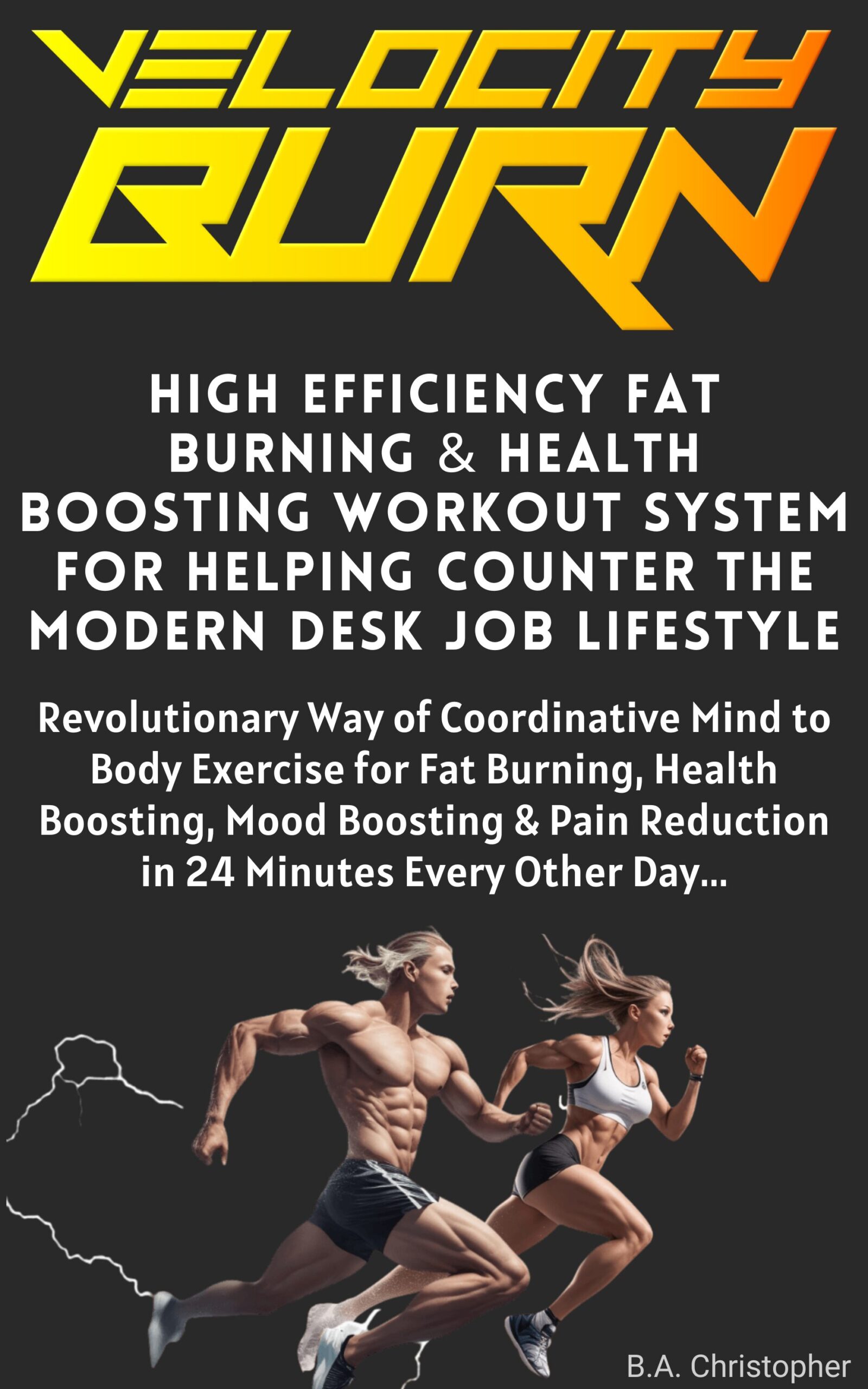
Ever find yourself glued to your desk for hours, only to stand up feeling like a rusty tin man? That sluggish circulation, the foggy brain—it’s the silent toll of our modern work setups. But what if you could flip the script with just 24 minutes every other day? I’ve experimented with routines that cut through the sedentary haze, and systems like Velocity BURN show how targeted moves can ramp up blood flow, deliver oxygen and nutrients to your tissues, and leave you sharper without eating into your schedule. Let’s dive into some practical tweaks you can test right away to reclaim that vitality.
Why Blood Flow Matters More Than You Think
Picture this: You’re parked at your computer, blood pooling in your legs, tissues starving for fresh oxygen. Over time, this desk-bound routine saps your energy and amps up discomfort. The good news? High-efficiency workouts can accelerate circulation, supporting everything from clearer thinking to easier movement. Drawing from methods that emphasize nutrient delivery across the body, these approaches turn short sessions into powerful resets. In my trials, even brief bursts made a noticeable difference in how alert I felt by midday.
To get started, think of this as a low-stakes experiment. Pick one day this week, set a timer for 24 minutes, and focus on moves that promote flow without overdoing it. You’ll be surprised at the payoff.
Simple Moves to Kickstart Circulation
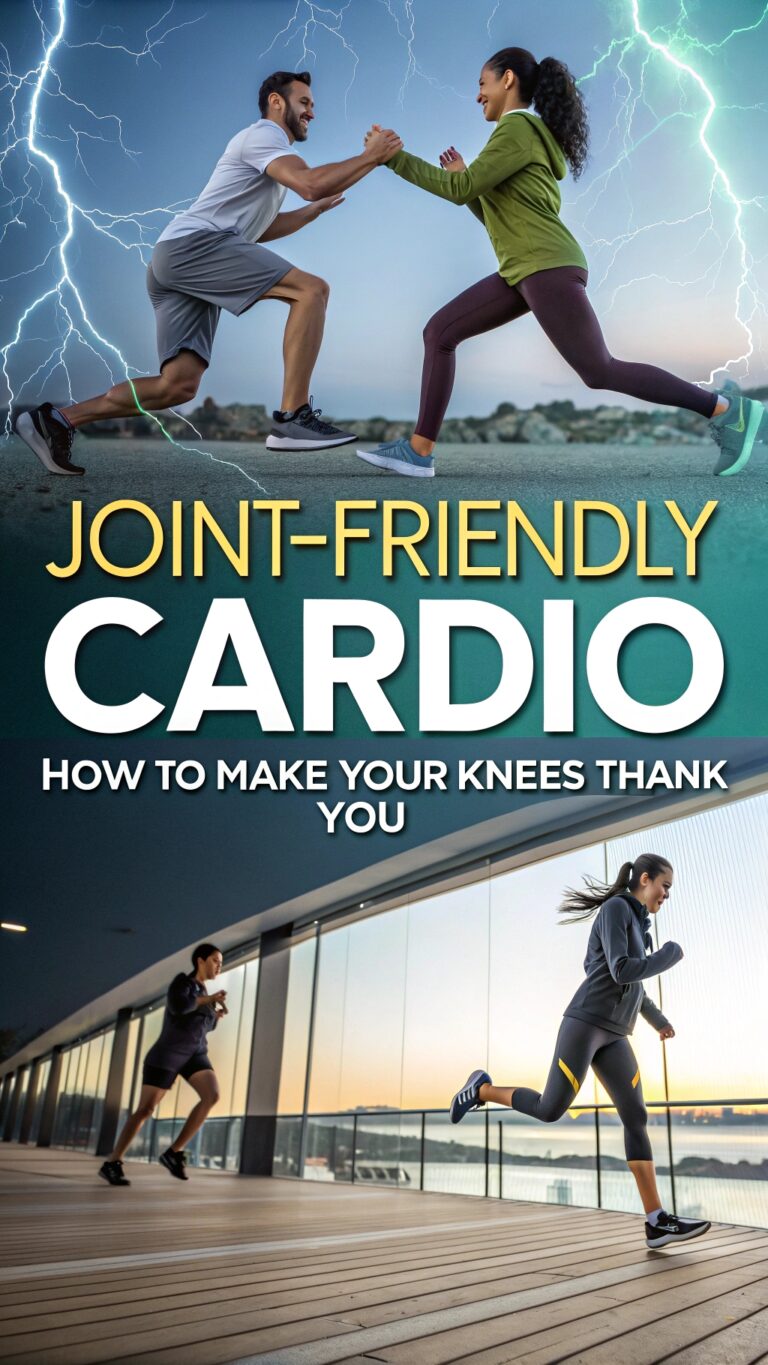
No need for fancy gear or endless gym time. Here’s a handful of techniques inspired by ultra-efficient systems that blend cardio with joint support. These are designed to fit seamlessly into a busy day, every other day, just like the Velocity BURN blueprint.
- Dynamic Leg Swings: Stand up, swing one leg forward and back like a pendulum for 30 seconds per side. This gets blood moving through your hips and legs, countering hours of sitting. Alternate sides for a couple of minutes total—I’ve found it loosens up tight spots fast.
- Arm Circles with Deep Breaths: Extend your arms and make wide circles, inhaling deeply as you go. Aim for 10 circles each direction. This boosts upper body flow and oxygenation, which can sharpen focus during long work stretches.
- March in Place with Twists: March your knees high while twisting your torso gently. Do this for 5 minutes straight. It’s a subtle way to engage your core and accelerate blood to neglected areas, plus it builds in that lymphatic cleansing element for overall detox.
These aren’t random; they’re pulled from strategies that prioritize safety and efficiency, drawing on decades of fitness insights to avoid injury. Test them in sequence during your 24-minute slot, and jot down how your energy shifts afterward.
The Every-Other-Day Edge: Recovery Meets Results
Daily grinds can wear you down, but spacing sessions every other day lets your body rebound stronger. This rhythm aligns with natural recovery cycles, enhancing agility and speed without burnout. In one of my own tests, switching to this cadence cut my afternoon slumps by half—blood flow stayed elevated longer, keeping tissues nourished.
Pair it with a quick tracker: Note your starting energy level on a scale of 1-10 before and after. Over two weeks, you’ll spot patterns that refine your approach. Remember, it’s about small adjustments for big shifts, not overhauling everything at once.
Layering in Mind-State Tweaks for Extra Boost
What elevates these moves? A focused mindset. Before starting, spend 30 seconds visualizing smooth, efficient motion—imagine energy coursing through your veins. This performance mind-state technique, combined with a touch of soulful intent, makes the session more engaging and effective. It’s not woo-woo; it’s a hack to optimize every millimeter of movement for better safety and flow.
I’ve experimented with this during desk breaks, and it turned rote exercises into something invigorating. Give it a shot: During your next 24-minute antidote, pause midway to recenter your breath and intent. Track if it amplifies the circulation benefits.
Real-World Wins and How to Measure Them
Curious about outcomes? Folks using similar systems report joints feeling stronger, not sorer, after cardio— a rarity in fat-burning routines. One quick win I noticed: Improved skin tone and reduced puffiness, likely from that lymphatic support kicking in.
To measure your progress, try these metrics:
- Pulse Check: Take your resting heart rate before and a week into the experiment. A slight drop could signal better circulation.
- Focus Test: Time how long you stay productive post-session versus a regular desk day.
- Mobility Gauge: Rate joint comfort on that 1-10 scale daily.
These aren’t guesses; they’re drawable from tried-and-true fitness principles that emphasize pain reduction and health boosts.
Wrapping It Up: Your Next Step
If the desk job drag has you down, this 24-minute antidote is a straightforward way to experiment with better blood flow. It’s efficient, joint-friendly, and slots right into your life without the hassle. Start small—grab that timer, pick a move or two, and run your first test tomorrow. You might just find yourself moving through the day with a bit more zip. What’s one tweak you’ll try first? Drop a comment below; sharing your experiments helps everyone refine their game. Here’s to hacking that sedentary setup, one efficient session at a time.
Audiobook Versions of Velocity BURN